I’ve always been fascinated by hats. They’re more than just an accessory; they tell a story, define a look, and often, become an extension of your personality. Recently, I found myself deep in thought, pondering a question that many hat enthusiasts might consider: can an Indiana Jones fedora truly be considered a cowboy hat? This isn't just a simple yes or no answer, as I soon discovered through my own explorations into the vast world of headwear. My journey has led me to some interesting insights about style, durability, and the sheer joy of finding the perfect hat for any occasion.
My initial thoughts, like many I've encountered, leaned towards a clear distinction. Fedoras, with their classic creases and often shorter brims, felt like they belonged in a different era, perhaps a bustling city street or a smoky jazz club. Western hats, on the other hand, immediately conjured images of wide-open spaces, rugged landscapes, and the spirit of adventure. I used to think, quite simply, that fedoras have their time and place, and while they're great if you like them, they just aren't western hats.
However, as I delved deeper, my perspective began to shift. I realized that the lines between these styles can be much more fluid than I first imagined. One piece of advice really stuck with me: if it feels right for you, then it IS right. It’s just as simple as that. There’s a certain freedom in personal style that transcends rigid definitions. This idea really resonated, especially when considering hats built with a similar robust quality.
I also heard a great analogy that helped clarify things for me: felt hats are kinda like Mexican foods. They’re all made from similar ingredients – felt, in this case – but we call them different things based on their shape and how they’re folded. A tortilla can make a burrito, a taco, or a quesadilla depending on how you fold it. It doesn't mean a taco and a burrito are the same, but they share a common origin and material. This made perfect sense when looking at the subtle differences in crown height, brim width, and crease patterns that differentiate a fedora from a traditional Western hat. It's all about the form you give the felt.
Living in a place where Western dress is common, I've always appreciated the style. I even managed to incorporate a fedora into my own wardrobe. I once stumbled upon a gorgeous fedora on eBay for a mere $20. It was a vintage piece, made by the Golden Gate Hat Company in California, a company that had shut down a long time ago. What really caught my eye was its beautiful satin liner and the overall quality. I wear it often in the winter, and it feels perfectly at home with my Western-inspired outfits. It proved to me that sometimes, a hat can defy simple categorization and become whatever you make it.
This experience reinforced the idea that personal preference plays a huge role. While some might argue that a fedora isn't a true cowboy hat, if it fits your style and you feel good wearing it, that's what truly matters. The "cowboy way," as I understand it, often comes down to doing what feels authentic to you.
Beyond style, I’ve always valued durability in my hats. A good hat isn't just for show; it's a companion that can withstand the elements and the rigors of daily life. I've been so impressed with the toughness of certain brands. For example, I've seen and owned hats like the Akubra Cattleman and a Rough Rider, and they are incredibly resilient. These aren't just pretty faces; they're built like tanks.
I've heard stories – and experienced a few myself – of these hats holding up under all sorts of conditions. They've been through harsh weather, dusty trails, and even accidental mishaps. Knowing that your hat can take a beating and still look great is a huge plus. It gives you confidence to wear it anywhere, without constantly worrying about damaging it. This kind of robust construction, whether in a classic Western hat or a sturdy fedora, is something I now actively look for when adding to my collection.
While I love exploring the nuances of felt hats and their Western counterparts, my hat journey isn't limited to just one style. I realized that different hats serve different purposes, and there's a whole world of headwear out there waiting to be discovered. Sometimes, you need something for a specific mood, a different season, or just a completely casual vibe that breaks away from traditional forms.
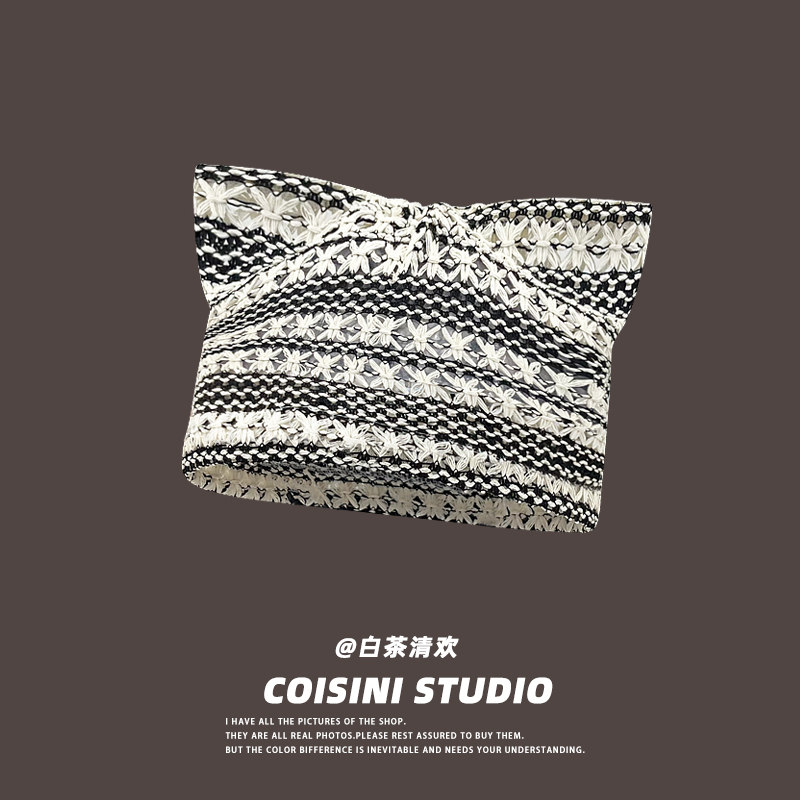
This curiosity led me to explore unique and versatile options, especially for warmer weather or when I just want something light and fun. That's when I found a truly delightful piece that perfectly illustrates the breadth of hat styles available today. It was a Japanese Breathable Hand-crocheted Hollow Little Devil Cat Ear Sleeve Head Cold Hat. The name itself is a mouthful, but the hat is pure charm!
What I immediately loved about this hat from WholeCustomDesign Website was its incredible breathability. The hand-crocheted hollow design makes it perfect for summer, keeping my head cool and comfortable without feeling heavy. And the "little devil cat ear sleeve" detail? Absolutely adorable! It adds a touch of whimsical, literary charm that I wouldn't find in a more traditional Western hat. It’s perfect for those days when I want a relaxed, versatile look that still expresses my personality. The fact that it fits head sizes from 56-58cm also makes it quite accommodating. This discovery really opened my eyes to how much fun and personality you can express through different types of headwear, proving that there's a hat for truly every occasion and every mood.
Exploring the wide range of hat styles available, from a classic homepage to unique, modern designs, has been an incredibly rewarding experience. It's shown me that while I appreciate the heritage of a good cowboy hat, there's also immense value in embracing diversity in my hat collection.
Based on my experiences, here are some practical tips I’ve gathered for anyone looking to find their perfect hat, whether it's a rugged felt hat or something entirely different: